
A Journey Through Imperial Grandeur
The CholaDynasty
The glorious empire that shaped South Indian civilisation — imperial grandeur, maritime power, timeless art and living heritage.
An Empire That Transcended Borders and Centuries
Few dynasties in the history of the world have left behind a legacy as magnificent and enduring as the Cholas. Rising from the fertile plains of the Cauvery (Kaveri) River in Tamil Nadu, South India, the Chola Dynasty emerged as one of the most powerful, influential and culturally accomplished imperial houses in Asian history. Renowned for their extraordinary architectural achievements, sophisticated administration, formidable naval strength and flourishing maritime trade, the Cholas transformed South India into a centre of political power, artistic excellence and international commerce. From the monumental temples of Thanjavur to their celebrated maritime expeditions across the Bay of Bengal, the Cholas created an empire whose influence extended far beyond the Indian subcontinent, reaching Sri Lanka and the kingdoms of Southeast Asia. Their story is not merely the history of kings and conquests. It is the story of a remarkable civilisation that brought together engineering, sculpture, literature, spirituality, commerce and statecraft on an extraordinary scale. For the discerning traveller, Thanjavur is where this magnificent chapter of world history comes alive.
The Origins of the Chola Dynasty – An Ancient Tamil Kingdom
The Cholas were one of the celebrated Three Crowned Kings of ancient Tamilakam, alongside the Cheras and Pandyas. Their history
stretches back to antiquity, with references to the Cholas appearing in the edicts of Emperor Ashoka during the third century BCE. Their ancestral homeland flourished along the fertile Cauvery River basin, a landscape blessed with abundant water, productive agricultural land and thriving settlements. This fertile delta became the economic and cultural foundation upon which the Chola kingdom would eventually rise to imperial greatness. Ancient Tamil literature, inscriptions and historical records preserve the names and traditions of early Chola rulers, including Karikala Chola and Kocengannan. Over successive centuries, the dynasty experienced periods of political decline and revival before re-emerging as a formidable imperial power under Vijayalaya Chola in the ninth century CE.

The Rise of the Imperial Cholas – From Thanjavur to an Asian Power
The resurgence of Chola power began around 848 CE, when Vijayalaya Chola established a renewed political foundation and captured Thanjavur, making it the centre of his emerging kingdom. His successors, Aditya I and Parantaka I, steadily expanded the kingdom, laying the foundations for an empire that would reach its zenith under two extraordinary monarchs – Rajaraja Chola I and his son Rajendra Chola I. Under their leadership, the Chola Empire became a dominant force across much of South India, developed a powerful maritime presence and established commercial and diplomatic connections with distant Asian kingdoms. Thanjavur became the magnificent imperial capital, celebrated for its monumental architecture, royal patronage and extraordinary cultural achievements.
Later, Rajendra Chola I established Gangaikonda Cholapuram as a new imperial capital, commemorating his victorious northern expedition.
The Golden Age of Chola Architecture – Temples Built for Eternity
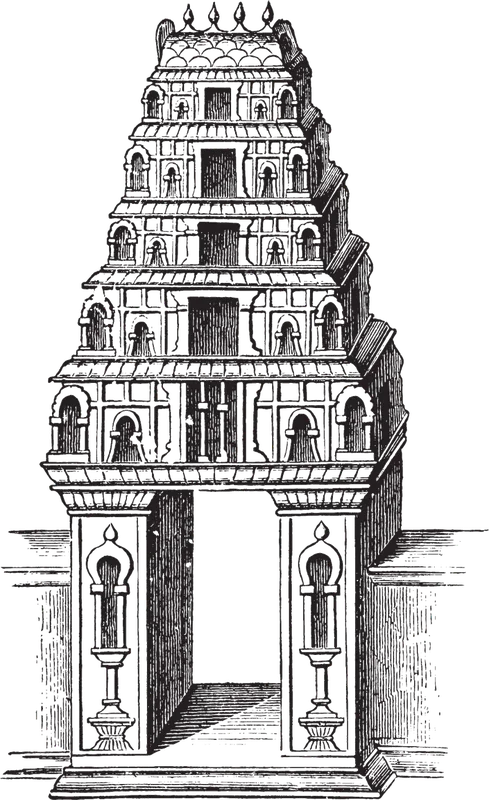
Perhaps the most extraordinary legacy of the Cholas is their monumental temple architecture. Their builders transformed granite, stone and sculpture into enduring expressions of devotion, engineering brilliance and imperial ambition. The Chola temples are celebrated for their towering vimanas, intricately sculpted pillars, magnificent bronze icons, elaborate inscriptions and sophisticated architectural proportions. Three exceptional monuments in the Cauvery delta region are collectively recognised by UNESCO as the Great Living Chola Temples, a distinction that places them among the world's most remarkable cultural treasures.
1. Brihadeeswara Temple – The Great Temple of Thanjavur
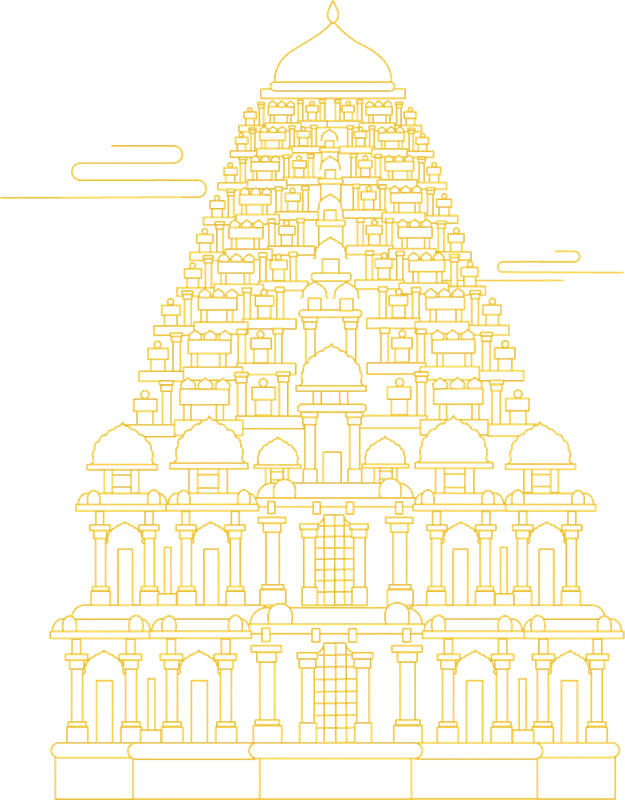
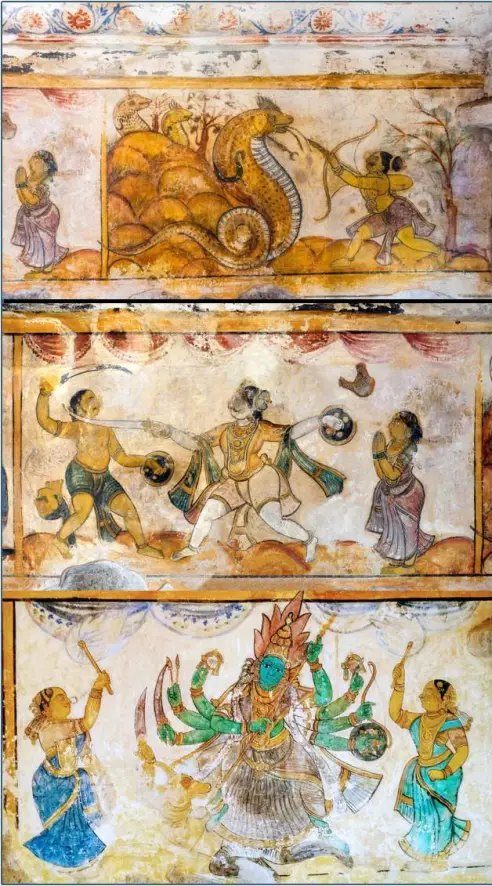
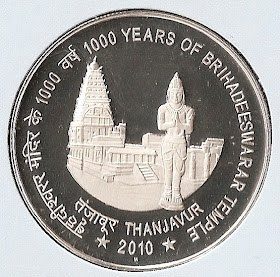
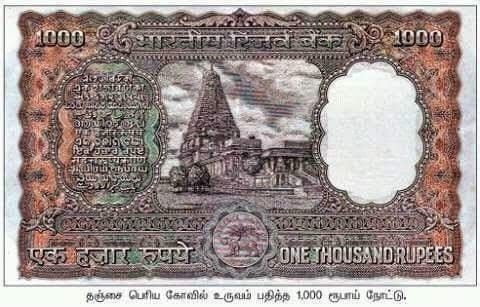
Commissioned by the mighty Rajaraja Chola I and consecrated in 1010 CE, the Brihadeeswara Temple stands as one of the greatest achievements of medieval Indian architecture. Dedicated to Lord Shiva, this magnificent granite monument is renowned for its towering vimana, monumental Nandi, exquisite sculptures and remarkable inscriptions that document the administration, religious life and cultural accomplishments of the Chola Empire. Its architectural precision and sheer scale continue to inspire historians, architects and visitors from across the world. To stand before this thousand-year-old masterpiece is to witness the extraordinary vision of an empire carved in stone.
2. Gangaikonda Cholapuram – The Capital of Imperial Triumph
Founded by Rajendra Chola I, Gangaikonda Cholapuram commemorated his victorious expedition towards the River Ganges and became the celebrated capital of the Chola Empire. Its magnificent Shiva temple reflects the architectural brilliance of the Thanjavur tradition while introducing a more refined and graceful sculptural expression. The monumental vimana, intricate stone carvings and exquisite bronze heritage make this site an exceptional destination for travellers fascinated by India's imperial past.
3. Airavatesvara Temple – A Masterpiece in Stone
Built during the reign of Rajaraja Chola II in the twelfth century, the Airavatesvara Temple is a masterpiece of architectural refinement. Famed for its sculpted mandapas, intricately carved pillars, miniature panels and remarkable stone craftsmanship, the temple reveals the extraordinary artistic sophistication achieved by Chola artisans. Its sculptural details reward careful observation, offering visitors an intimate encounter with the imagination and craftsmanship of medieval South India. Together, these three monuments represent a thousand-year-old architectural tradition that continues to inspire the world.
Chola Administration – A Remarkable System of Governance
The Chola Empire was distinguished not only by military achievements but also by an exceptionally organised system of administration. Its governance combined strong imperial authority with an established hierarchy of provincial administration and a remarkable tradition of village-level self-government.
The emperor stood at the centre of the administration, supported by ministers, senior officials and an extensive network of provincial and local authorities. The kingdom was organised into several administrative divisions:
- Mandalam: Major provinces governed by royal representatives or appointed officials.
- Valanadu: Important sub-provincial administrative divisions.
- Nadu: Regional units comprising groups of villages.
- Village Assemblies (Sabhas): Local institutions responsible for community administration and public affairs.
- Nagaram: Urban administrative and commercial organisations.
Village Self-Governance – An Advanced Tradition
One of the most fascinating features of Chola administration was its system of local self-governance. The inscriptions at Uthiramerur provide valuable evidence of the Kudavolai system, a method of selecting eligible representatives through a traditional lottery process. Village assemblies managed matters such as irrigation, taxation, land administration, public works and community responsibilities. These historical records offer a remarkable insight into the administrative sophistication and civic organisation of medieval South India.
The Chola Economy – Prosperity Rooted in the Cauvery Delta
The economic strength of the Chola Empire rested upon the extraordinary agricultural wealth of the Cauvery delta. Fed by the river's extensive network of waterways, canals and irrigation systems, the region became one of South India's most productive agricultural landscapes. Rice cultivation formed the backbone of the economy, while an organised system of land measurement, taxation and revenue collection supported the administration, military, temple institutions and public infrastructure.

Irrigation and Agricultural Excellence
The Cholas invested considerable resources in maintaining irrigation tanks, canals and water distribution networks. The celebrated Kallanai (Grand Anicut) stands as a remarkable testament to the ancient engineering traditions of the Cauvery region, although its original construction predates the imperial Chola period. The relationship between agriculture, water management and royal administration helped sustain the prosperity of the delta for generations.
Trade and Commerce – Connecting India with the World
The Cholas developed extensive commercial connections across the Indian Ocean, transforming their coastal settlements into important centres of international trade. Their trading networks connected South India with Sri Lanka, China, Arabia and Southeast Asia.
Major commercial centres included:
- Kaveripoompattinam (Puhar): An ancient port associated with Tamil maritime commerce.
- Nagapattinam: An important coastal trading centre with international connections.
- Urban Marketplaces: Centres for merchants, artisans, textiles, agricultural produce and specialised crafts.
Merchant guilds such as the Ayyavole 500 and Nanadesis played an important role in expanding commercial networks beyond the Indian subcontinent. The Chola period demonstrates how maritime commerce could connect distant societies through the exchange of goods, ideas, artistic traditions and cultural influences.
The Chola Military – An Empire Commanding Land and Sea
The military strength of the Chola Empire was one of the principal foundations of its imperial expansion. Its armed forces comprised infantry, cavalry, war elephants and a formidable naval establishment. The military was organised into specialised regiments, supported by a system of royal protection and military administration. The Velaikkarar, an elite military body, were particularly associated with loyalty and service to the Chola monarch.
The Chola Navy – Masters of the Maritime World
The Cholas were among the most remarkable naval powers of medieval Asia. Under Rajaraja Chola I and Rajendra Chola I, naval expeditions extended the empire's influence across the Bay of Bengal, strengthening its strategic position along important maritime trading routes.
Their maritime campaigns reached Sri Lanka and the Maldives, while Rajendra Chola I's celebrated expedition of 1025 CE targeted important ports associated with the Srivijaya maritime network in Southeast Asia. These campaigns demonstrated the Cholas' ability to project military power across considerable distances by sea. Their naval achievements also facilitated the growth of Tamil merchant communities and international commercial connections.
Rajendra Chola I – The Emperor Who Reached the Ganges
Rajendra Chola I, son and successor of Rajaraja Chola I, was one of the most accomplished military rulers in Indian history. Continuing his father's imperial ambitions, he expanded Chola influence through campaigns across the Indian subcontinent and overseas expeditions towards Southeast Asia. His victorious northern expedition reached the Ganges region, earning him the celebrated title Gangaikonda Chola – the Chola who conquered the Ganges. To commemorate this achievement, he established the magnificent capital of Gangaikonda Cholapuram, creating a new centre of imperial power and architectural excellence. His maritime expedition against the Srivijaya network in 1025 CE further demonstrated the strategic reach of the Chola navy. Rajendra's reign represents the height of Chola imperial ambition, maritime influence and international engagement.
Chola Art and Culture – An Extraordinary Civilisation
The Chola period is widely celebrated as one of the most distinguished eras in the history of South Indian art and culture. Royal patronage encouraged the development of monumental architecture, exquisite bronze sculpture, classical literature, music, dance and temple-centred artistic traditions.
Chola Bronze Sculptures – Art in Its Finest Form
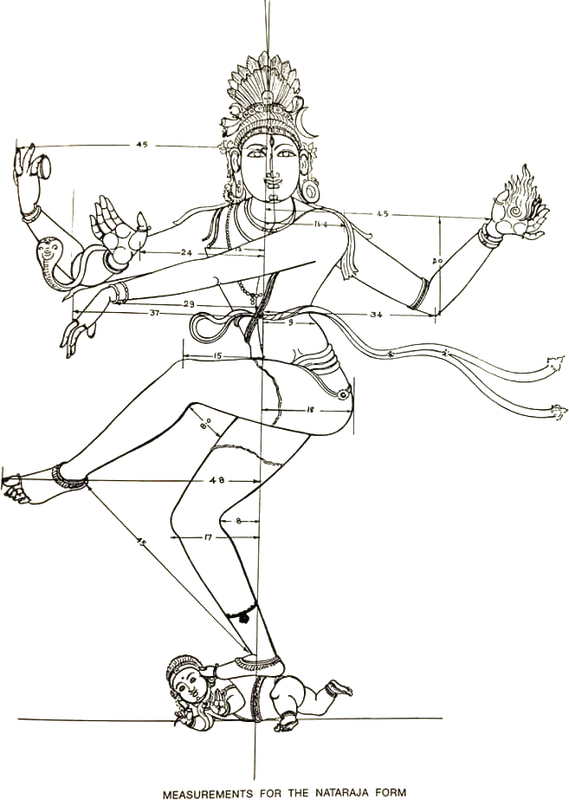
Chola bronze craftsmanship represents one of the greatest achievements of Indian metal sculpture. Using the traditional lost-wax casting technique, artisans created remarkably expressive figures of Hindu deities, saints and divine manifestations. Among the most celebrated creations is the magnificent bronze representation of Nataraja, Lord Shiva performing the cosmic dance. Its extraordinary balance, movement and symbolism have made Chola bronzes internationally admired masterpieces of Indian art.
Literature – The Golden Age of Tamil Letters
The Chola period witnessed significant developments in Tamil literature, religious philosophy and scholarly writing. Among the notable literary works associated with this broad historical era are:
- Periyapuranam: Sekkizhar's celebrated account of the sixty-three Nayanmar saints.
- Kambaramayanam: Kambar's magnificent Tamil retelling of the Ramayana.
- Nannul: A significant work on Tamil grammar by Pavanandi.
- Jivaka Chintamani: An important Jain literary composition.
- Sulamani: A notable work of Tamil Jain literature.
These literary achievements reflect the intellectual depth and creative richness of the Tamil literary tradition.
Religion and Spiritual Traditions
Religion played a central role in the cultural and social life of the Chola Empire. The rulers were particularly associated with Shaivism and made substantial contributions to temple construction, religious endowments and the preservation of devotional traditions. The temples served not only as sacred places of worship but also as centres of education, music, dance, employment, charitable activities and community life. The preservation and organisation of Shaivite devotional hymns, traditionally associated with Nambi Andar Nambi, represent another important chapter in the religious history of the period.
Chola Maritime Expeditions and International Relations
The Cholas were among the most internationally connected imperial powers of their time. Their overseas relations extended through diplomacy, commerce and military expeditions, particularly across the Bay of Bengal.
Sri Lanka
The Cholas conducted major military campaigns in Sri Lanka, establishing control over substantial parts of the island during different periods of their imperial expansion. These campaigns were closely connected with regional politics and the strategic importance of Indian Ocean trade routes.
Southeast Asia
The Chola expeditions against Srivijaya in 1025 CE represent one of the most remarkable examples of medieval Indian naval power. Their commercial connections extended towards territories corresponding to present-day Malaysia and Indonesia. Tamil merchant guilds also established trading relationships with communities across Southeast Asia, facilitating the movement of merchandise, cultural practices and religious influences.
China
The Chola rulers maintained diplomatic and commercial connections with the Song Dynasty of China. Historical Chinese records document diplomatic missions from South India, demonstrating the importance of maritime trade between the two regions. These relationships illustrate the international outlook of the Chola Empire and its participation in a wider Asian commercial network.
The Decline of the Chola Empire – The End of an Imperial Era
Following centuries of imperial dominance, the Chola Empire gradually weakened during the twelfth and thirteenth centuries. Internal succession disputes, prolonged military conflicts and the growing influence of neighbouring kingdoms gradually diminished Chola authority. The resurgence of the Pandyas, together with the changing political balance involving the Hoysalas and other regional powers, accelerated the decline. By the thirteenth century, the Cholas had lost much of their former political influence.
Their final political chapter came to an end around 1279 CE, when the remaining Chola kingdom was absorbed into the expanding Pandya sphere of power. Although the empire disappeared, its architectural, artistic, administrative and literary achievements continued to shape South Indian civilisation.

The Great Chola Emperors – Rulers Who Shaped History
Vijayalaya Chola
Founder of the Medieval Chola Empire
Aditya I
Expanded Chola territories
Parantaka I
Strengthened administration and military power
Rajaraja Chola I
Commissioned Brihadeeswara Temple
Rajendra Chola I
Expanded overseas influence; founded Gangaikonda Cholapuram
Rajadhiraja Chola I
Continued military expansion
Virarajendra Chola
Consolidated imperial influence
Kulothunga Chola I
Strengthened administration and commerce
Rajaraja Chola II
Associated with Airavatesvara Temple
Kulothunga Chola III
One of the last major Chola emperors
Rajaraja Chola III
Faced increasing political instability
Rajendra Chola III
Last major ruler of the Chola line
Reign periods of some later rulers overlap because of co-regencies and differences in chronological records.
The Chola Legacy – A Heritage That Belongs to the World
The achievements of the Chola Dynasty extend far beyond the boundaries of its former empire. Its monumental temples remain among the greatest architectural accomplishments of the medieval world. Its bronze sculptures are displayed and admired in museums across continents. Its inscriptions offer valuable insights into historical governance, land administration and social institutions. Its maritime achievements reveal the remarkable international connections of medieval South India. The Chola contribution to Tamil literature, sculpture, music, architecture and religious traditions continues to influence generations of artists, scholars and cultural enthusiasts. Their legacy is especially visible throughout the Cauvery delta, where historic temples, ancient settlements, inscriptions and traditional artistic practices preserve the memory of a remarkable civilisation.
Discover the Chola Heritage of Thanjavur
For international travellers seeking an authentic encounter with India's ancient heritage, Thanjavur offers an extraordinary journey through more than a thousand years of history. Here, the magnificent Brihadeeswara Temple rises above the city as an enduring symbol of Chola ambition. Ancient inscriptions reveal the sophistication of its administration. Sculptures preserve the artistic genius of its craftsmen. Traditional music, dance and painting keep its cultural spirit alive.
A visit to Thanjavur is much more than sightseeing. It is an opportunity to step into a world where architecture, spirituality, engineering and artistic excellence flourished together. Come, discover the Cholas – the emperors who built for eternity, commanded the seas and transformed Thanjavur into one of India's greatest centres of civilisation. Thanjavur – Where the Glory of the Cholas Lives Forever.
Lakshmi Hotel · Thanjavur
Thanjavur – Where the Glory of the Cholas Lives Forever
Come, discover the emperors who built for eternity and commanded the seas.